
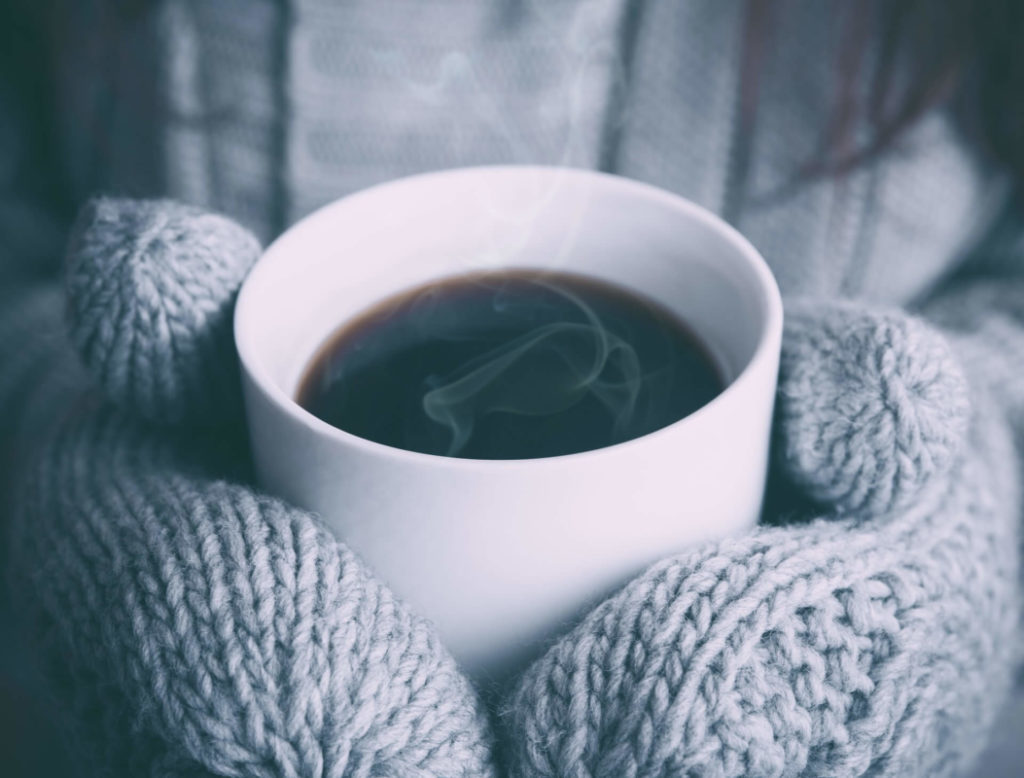
A successful winter campout depends mainly on how well you can handle the extreme and unpredictable nature of this cold weather activity. Suppose your curiosity is pushing you to try winter camping this coming season, but your fear of the cold and the unknown is holding you back.
In that case, we’re here to explain how you can protect yourself from the harsh winter elements and stay warm for the entire duration of your trip.
In this article, you’ll find:
- Why it’s so important to stay warm when winter camping
- How your body actually loses heat in winter conditions
- 15 practical tips on how to stay warm winter camping
- Key risks like hypothermia and frostbite, and what to do about them
From your choice of winter tent and camping clothes to the techniques you need to learn to retain as much body heat as possible, you will likely find something valuable and worth remembering from our 15 tips and reminders for campers interested in the beauty and excitement offered by winter landscapes.
Why Is It Important to Stay Warm When Winter Camping?
Your efforts to keep warm and dry while on a cold weather expedition will protect you from the significant health and safety risks associated with prolonged exposure to extremely low temperatures. The failure to prepare well or pay attention to your body temperature will put you at serious risk of developing medical conditions that could lead to severe or sometimes fatal consequences.
On the other hand, sticking to good practices on how to stay warm can help you focus better on your planned winter camping activities. You won’t feel uncomfortable because of the harsh weather and when you return to your warm tent, you will recover your energy for another fun-filled day.
Staying warm isn’t just about comfort. It’s about safety, performance and being able to actually enjoy the trip instead of counting down the minutes until you go home.
How Does Your Body Lose Heat?
To understand how to stay warm camping in winter, it helps to know how your body actually loses heat.
- When your skin or clothing is wet, usually because of sweat or snow melting on you, you can lose up to 85% of body heat as the moisture evaporates.
- We also unconsciously cool down when we breathe, especially when our body temperature exceeds around 37°C.
- When the environmental temperature drops to around 20°C or lower, radiation causes body heat to move away from you toward the colder surroundings.
- If you lie down on a cold surface, conduction further reduces your body temperature due to direct contact with cold ground or snow.
- Wind blowing in your direction can rob even more body heat because of convection, stripping away any warm air your body has built around you.
Understanding these processes makes the following tips much more meaningful. They’re all about reducing heat loss and helping your body create and keep warmth.
15 Tips for How to Stay Warm Camping in Winter
Below are 15 practical winter camping tips to help you stay warm, safe, and comfortable.
1. Plan for the Winter
Gather relevant information about the area, expected weather, and your campsite. Look for:
- A sheltered spot to pitch your tent.
- A natural wind block, such as a dense group of trees or a low-lying hill.
- A position where your tent will be exposed to the morning sun, so it warms up more quickly during the day.
Good planning can make the difference between a cosy winter trip and a miserable one.
2. Flatten the Snow
Pack down the snow on your camping spot before pitching your tent.
- Stomp the ground with snowshoes or ski over the area.
- Compress the snow so it forms a firm platform.
Any loose snow near your tent will melt faster than packed snow, creating excessive moisture inside the tent. You also don’t want lumpy snow under your sleeping bag or mattress.
3. Select a Proper Winter Tent
Choose a 4-season tent. Though a 3-season tent may be suitable for milder winter camping, an all-season tent is:
- More waterproof.
- Better at handling snow load.
- More resistant to cold wind and moisture.
Freestanding tents with a dome or teepee form are great because snow is less likely to build up on the roof. Whatever you pick, make sure the fabric is breathable and has vents to reduce condensation inside.
4. Wear Appropriate Clothing
Bring winter clothing with adequate insulation for the expected temperatures. The fabrics can be natural or synthetic as long as they’re:
- Breathable.
- Moisture-wicking.
- Not heavy when damp.
For accessories:
- Use winter goggles to protect your eyes from snow glare and cold winds.
- Pack wool hats, insulated gloves and thick non-cotton socks to protect areas most prone to frostbite.
5. Layer Correctly
Layering is one of the most important techniques for staying warm.
- Base layer: wool or polyester which is light, breathable and close to your skin.
- Middle layer: fleece or down jacket and heavier underwear to trap heat.
- Outer layer: waterproof but breathable jacket and bottoms to block wind and snow.
You can then add or remove layers to match your activity level and the weather.
6. Wear the Right Footwear
Select your footwear based on your winter camping activities and the expected snow level.
- No heavy snowfall: insulated hiking boots may be enough.
- Deep snow: insulated boots made of rubber or leather with wool liners are a better choice.
- Mountaineering or steep terrain: waterproof mountaineering boots with insulated liners are recommended.
Cold feet will ruin your trip quickly and make your entire body cold. You definitely don’t skimp here.
7. Prevent Sweating
Sweating in winter can be dangerous because wet clothing leads to rapid heat loss.
If you’re going to engage in physically strenuous activity (like skiing or snowboarding):
- Take off some layers so you feel cool but not shivering.
- If you can’t remove layers because of the cold, unzip your outer jacket or roll up your sleeves slightly to vent excess heat.
The goal: stay dry and warm, not hot and sweaty.
8. Cook Warm Meals
Hot food = warmth from the inside out.
Bring a tent stove for cooking or warming the area, if it’s safe and your tent has a proper stove jack. If you have enough firewood, a wood-burning stove is a good option. Otherwise, use a liquid-fuel stove, since canister stoves can malfunction in low temperatures.
Always try to remember:
- Create a solid base (e.g. a wooden board) for the stove.
- Place it a few centimetres away from the tent wall.
- Never use unvented stoves in enclosed spaces without proper precautions.
9. Plan Your Meals
Plan to cook and eat simple but hot meals.
Avoid fresh fruits and vegetables that add unnecessary weight. Better options include:
- Cereals and oatmeal.
- Cheese, butter and baked goods.
- Nuts and chocolate.
- Your favourite proteins.
For cooking, look up quick and easy recipes for soups, stews and one-pot meals you can easily prepare at camp.
10. Keep Yourself Hydrated
It’s easy to forget to drink when you’re cold, but your body needs water to maintain homeostasis and produce body heat.
- Pack a thermos with hot water, tea, coffee, or cocoa.
- Take regular breaks to sip your drink.
- Don’t wait until you feel very thirsty.
Warm drinks not only hydrate you but also give a psychological and physical boost in the cold.
11. Choose a Winter Sleeping Bag
Use a sleeping bag rated for temperatures lower than what you’re expecting. Night-time temps often drop far below daytime levels.
Try to look for:
- A snug fit to minimise empty spaces where cold air can gather.
- A hood to insulate your head.
- A comfort rating that gives you a bit of a safety margin.
12. Use a Sleeping Pad (or Two)
Insulate yourself from the cold ground by placing one or two pads underneath your sleeping bag.
- Start with a foam pad that is at least 1.5 cm thick.
- Add a thinner inflatable pad on top for comfort.
Both pads should cover your full height for maximum protection.
13. Reduce Snowy Floor Space
Fill the floor space of your tent with your belongings and camping gear. Just like sleeping pads, these objects:
- Act as insulation against the cold coming from the ground.
- Prevent your gear from freezing or getting covered in snow.
You can also spread out damp items to dry overnight so they’re ready to use the next day.
14. Get Your Heart Pumping Before Bed
Perform light exercises before getting ready for bed:
- A few rounds of jumping jacks.
- Light cardio movements.
- A short jog in place or around the campsite.
You don’t want to work out so hard that you begin sweating, but you do want to generate extra body heat you can take into your sleeping bag. If you do sweat, change into dry clothes before going to sleep.
15. Use a Hot Water Bottle
Generate extra heat inside your sleeping bag using a hot water bottle.
- Boil enough water to fill a stainless steel bottle.
- Avoid the insulated kind, you want it to radiate heat.
- Be careful when handling it at first as it may be too hot.
- Once safe to touch, tuck it between your thighs or near your core as you sleep.
It’s a simple, low-tech way to stay cosy all night.
The Risks of Hypothermia and Frostbite
If exposed to freezing temperatures, you will be at significant risk of suffering from hypothermia or frostbite.
- Hypothermia is a condition where the body temperature drops to a dangerously low level.
- Frostbite is an injury caused by freezing of the skin and underlying tissues.
Both should be considered medical emergencies, and quick and effective action is required to prevent irreversible damage or loss of life.
What Are the Signs of Hypothermia?
The signs of hypothermia may appear after prolonged exposure to cold, especially if you’re wet, tired or underfed. You’re losing body heat faster than you can generate it.
Common signs include:
- Feeling exhausted or drowsy for no clear reason.
- Slurred speech and difficulty communicating.
- Clumsiness or fumbling hands, dropping objects.
- Uncontrollable shivering.
- Confusion or poor decision-making.
In severe cases, the person may fall unconscious while their heart rate and breathing slow down, potentially to the point of stopping altogether.
How to Treat Hypothermia
The key to treating hypothermia is immediate action.
- Seek medical attention as soon as possible.
- Move the person to a warmer, sheltered place.
- Remove wet clothing and replace it with dry layers.
- Cover their head, neck, chest, and groin with a heated blanket if available, or a combination of dry blankets and clothes.
- Use skin-to-skin contact if necessary.
- Offer warm (non-alcoholic) drinks if the person is conscious.
Never give alcohol, and avoid sudden, intense heat directly on the skin.
What Are the Signs of Frostbite?
Often, the person suffering from frostbite doesn’t notice it at first because of numbness.
Common signs:
- Loss of sensation in fingers, toes, nose, ears or chin.
- Skin turning white, grey or yellowish.
- Waxy, firm, or hard-feeling skin when touched.
It’s very important for companions to watch each other for these signs, as the affected person may not feel the injury happening.
How to Treat Frostbite
Frostbite requires immediate and proper medical attention, especially if it occurs alongside hypothermia.
- If both are suspected, treat hypothermia first.
- Move the person to a warmer place.
- Avoid letting them walk on frostbitten feet or toes, try to carry them if possible.
- Do not rub the frostbitten area.
- Use your body heat or warm water (not hot) to gently warm the affected areas.
Seek professional medical help as soon as you can.
FAQs on How to Stay Warm Camping in Winter
How cold is too cold for winter camping?
In theory, winter camping can be done no matter how low the temperature is. Many experienced campers with a high tolerance for the cold enjoy the extreme challenges winter brings. However, no amount of experience can guarantee everything will go well without careful planning. This is including getting the right equipment, a suitable waterproof tent, appropriate clothing and building solid survival skills.
How do you heat a tent without electricity?
If your tent is equipped with a stove jack, the best way to warm things up is by using a tent stove. Never improvise with a normal window or vent. Stove jacks must be made of fire-retardant fabric.
If you don’t have a stove jack, common alternatives include hot water bottles and heated rocks (used carefully), combined with good insulation and layering.
What can I put in my tent to keep warm?
Aside from tent stoves, propane heaters, and other heat sources:
- Line the tent floor with sleeping pads and gear to block cold from the ground.
- Place camping equipment on empty spaces to insulate.
- Consider using reflective blankets carefully, but watch out for condensation and moisture build-up.
How do you enjoy cold weather camping?
A memorable winter camping trip comes down to staying warm and dry. That means:
- Dressing in proper layers.
- Using a 4-season or suitable 3-season tent of the right size.
- Choosing models with a stove jack if you plan to use a stove.
When you’re warm, fed, and dry, everything else becomes much more enjoyable.
Why is cotton clothing bad for winter camping?
Cotton absorbs and holds moisture. If you sweat or get wet, your cotton clothing will stay damp, and combined with cold air, you’ll lose body heat very quickly. This dramatically increases your risk of hypothermia.
How do you stay warm at night while winter camping?
Three simple tricks:
- Start layering up before you feel very cold: thermal clothing, socks, gloves and a hat.
- Eat a high-calorie, hot meal for dinner.
- Tuck a hot water bottle into your sleeping bag or under your blanket.
Stay Warm in a Cosy Winter Camping Tent
Winter camping doesn’t have to be uncomfortable or dangerous to feel “authentic”. Yes, it’s known for being extra challenging, even among frequent campers. However, you can manage all those thrills and discoveries if you prioritise your wellbeing throughout the trip.
Carefully choose your camping tent, clothes, and sleeping system. Remember, you are responsible for your own safety and comfort in cold weather conditions. While we have shared numerous tips on staying warm in this article, you’re free to use the ones that fit your trip and experience level.
Finally, we hope you’ll also take time to learn more about safety and survival skills for your dream winter camping destination.
Check Out Some of Our Tent Guides:
- Best Winter Camping Tents with Stove Jack – Find a cosy winter tent to keep you warm.
- Best Winter Camping Tents – Find the perfect winter tent without a stove.