
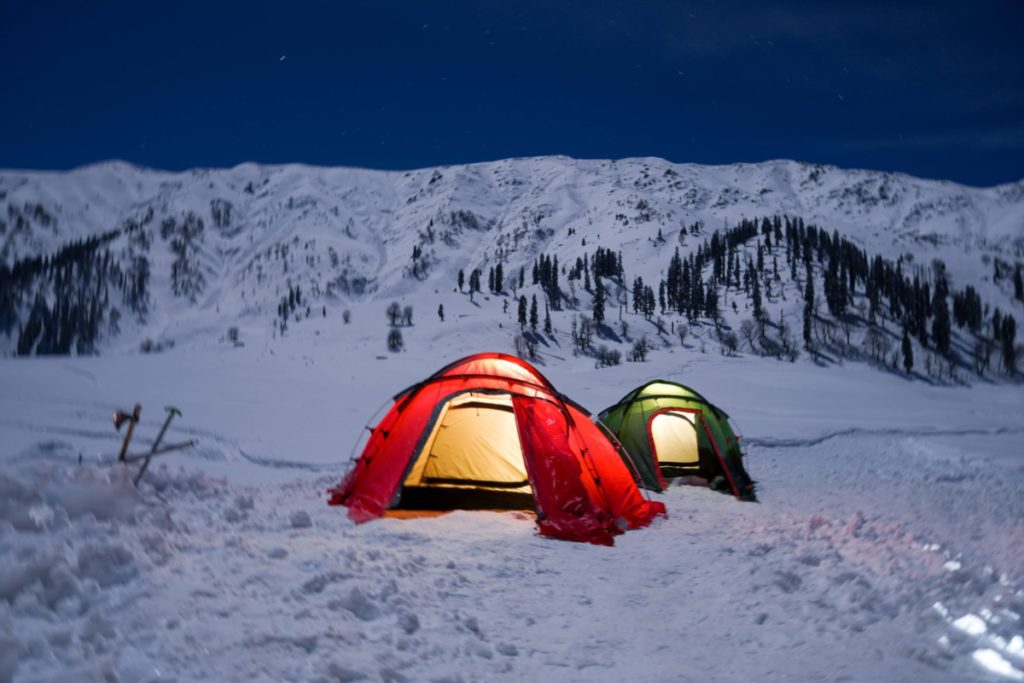
Winter camping offers a new yet challenging way of exploring nature. It’s not for everyone, though. The bitter cold and icy landscapes can be off-putting even for people who usually love being outdoors. But winter camping doesn’t have to be miserable. If you insulate your tent properly, it can actually be cosy, warm and surprisingly enjoyable.
In this guide, we’ll walk you through exactly how to insulate a tent for winter camping, both inside and out. These tips are based on what we’ve experienced and observed while setting up and staying in our tents during cold-weather expeditions.
We’ll also answer the most common FAQs so you can prepare confidently and stay warm even in harsh winter conditions.
Quick Overview: What You’ll Learn
- 9 essential tips for insulating a tent in winter
- How to block out snow, wind, and cold air
- How to keep heat inside your tent
- What materials work best for insulation
- Extra ways to stay warm at night
- FAQs to help you prepare for real winter weather
Perfect, let’s jump in!
9 Tips for Insulating a Tent for Winter Camping
These nine steps cover every part of your tent setup. These include the fabric, floor, walls, sleeping area and heat sources.
1) Choose a Waterproof, Double-Walled Tent
The type of tent you bring determines how much effort you’ll need to insulate it from snow and cold air. Sure, reusing your favourite summertime tent might seem cost-effective, but once you’re on-site you’ll quickly struggle with:
- Condensation
- Frigid temperatures
- Heat loss
- Drafty gaps
Investing in an all-season or 4-season winter camping tent makes everything easier.
These models are designed for extreme weather and often include:
- Sealed seams
- Hooded vents
- Snow skirts
- Waterproof fabrics
- Sturdy frames
You may still need additional insulation, but you’ll already have a solid base.
2) Store Your Camping Gear Inside the Tent
Cold lingers in empty spaces, especially in tents with limited ventilation. If you’re the only occupant, your body heat can only warm a certain volume, even a tent heater will struggle.
A simple way to reduce cold airflow is to arrange your camping gear around your sleeping area. Your belongings act as insulation and fill unused air pockets.
This also keeps your valuables dry and protected from snow or ice.
If your tent feels oversized for one or two people, consider using a smaller model for winter.
3) Look for a Camping Spot With Natural Windbreaks
Do a bit of research before your trip and look for elements that naturally block wind, such as:
- Dense groups of trees
- Large shrubs
- Big boulders
- Hills or ridges
If none exist, you can create your own windbreak by stacking:
- Snow blocks
- Large rocks
- Branches (securely)
Deep snow can also work in your favour. Just dig out a small pit slightly larger than your tent’s footprint and pitch your tent inside. This shields you from wind on all sides.
4) Cover Your Tent With a Waterproof Tarp
A tarp is a winter camping essential. It adds an extra layer of protection against:
- Wind
- Snow
- Freezing rain
- Dew build-up
Set up your tent as usual, then secure a tarp over the rainfly. Do this during the day so it traps more heat from the sun.
Important:
- Point the tarp toward the direction the wind is coming from.
- Angle it so snow slides off instead of accumulating.
- Avoid flat tarp setups as they’ll collapse under heavy snow.
5) Line the Tent Walls and Ceiling With Thermal Blankets or Reflective Foil
Once your tent and tarp are set up, it’s time to insulate the interior.
Your main objective is to trap heat inside while allowing proper ventilation to prevent condensation.
The easiest, most budget-friendly method is using:
- Emergency thermal blankets.
- Reflective insulation foil.
- Space blankets.
These materials help retain heat and are widely available in hardware stores. Most small tents need around two pieces, but it depends on your tent’s size.
se small clamps or duct tape to attach the insulation to your tent walls and ceiling.
6) Lay Down a Groundsheet or Tent Footprint
The cold can easily seep into your tent from the frozen ground. Many winter tents come with a built-in footprint, but if yours doesn’t, buy one separately.
Make sure your tent footprint is:
- Waterproof
- Large enough to cover the entire base
- Raised at the edges (bathtub design) if possible
For even better insulation, consider a footprint for the vestibule area too as it protects your gear from wet snow and keeps your entryway tidier.
7) Add an Extra Layer of Foam Pads on the Tent Floor
A groundsheet protects you from moisture, but for real insulation and comfort, you’ll need foam pads inside the tent as well.
Add a thick foam pad under your sleeping area, or cover the entire floor for maximum warmth. You can also use:
- Blankets
- Leftover reflective foil
- Additional padding
reflective foil is particularly effective at trapping heat, but note: it can be slippery, so avoid stepping directly on it with socks.
8) Light Up a Tent Stove (If Your Tent Allows It)
If you’re heading somewhere extremely cold, consider bringing a winter tent with a stove jack. These tents allow you to safely run a chimney pipe without melting or burning fabric.
Tent stoves vary in size, from compact backpacking models to large wood-burning stoves.
If you use a stove:
- Bring a carbon monoxide detector.
- Pack a portable fire extinguisher.
- Keep the stove away from walls and the groundsheet.
- Never fall asleep with the stove running.
Safety comes first. Tent stoves are amazing but they must be used correctly.
9) Generate Warmth With Heat Pads or Hot Water Bottles
One of the safest ways to keep warm without electricity or flames is by using:
- Heat pads
- Hot water bottles
They’re inexpensive, easy to use, and great for warming specific areas.
Place them:
- Inside your sleeping bag
- Between your thighs
- Near your neck
- In pockets or socks
- Beside you while sitting
These small heat sources offer targeted warmth throughout the night.
FAQs about How to Insulate a Tent for Winter Camping
What is the best way to insulate a tent?
A combination of approaches is best not just one. Use a 4-season tent, line the interior with thermal blankets, insulate the floor and block wind from the outside. A holistic approach works best in winter.
What is the best material to insulate a tent?
Light thermal blankets are extremely efficient at trapping heat. Reflective foil and emergency blankets also work well. Thicker materials can sometimes absorb cold or cause condensation issues.
How does an insulated tent actually work?
Insulation blocks out cold air while keeping your generated heat inside. Tents are simple structures, so adding layers to the outer walls, inner walls, floor, and ceiling helps maintain warmth.
How do you insulate from the ground?
Use layers:
- A waterproof groundsheet
- Foam pads, blankets, or reflective foil
- An insulated sleeping pad on top
Ground insulation is crucial since most heat is lost downward.
How else can I keep my tent warm in winter?
Use the environment wisely:
- Choose sheltered spots
- Build windbreakers
- Flatten snow before pitching
- Keep gear inside to reduce empty space
Good campsite selection can make or break your comfort.
How do I prepare my tent for winter?
Check the tent for holes, tears, or worn-out waterproofing. Set it up at home and spray it with water. If any moisture appears, reapply waterproof coating or seam sealer. Test everything before your trip.
Now You Know How to Insulate a Tent for Winter Camping
Winter camping comes with various challenges and risks and while these are part of the appeal, your trip can also be incredibly cosy and peaceful with proper preparation.
We hope these nine tips help you feel safe and comfortable day and night. Make a list of essentials, check your tent’s condition and prepare your sleeping system well.
Definitely don’t forget your sleeping bag, winter clothing and thermal layers. A well-insulated tent protects you from the frigid cold outside but staying warm while exploring or resting is just as important.
Stay warm out there and enjoy the beauty of winter landscapes!