
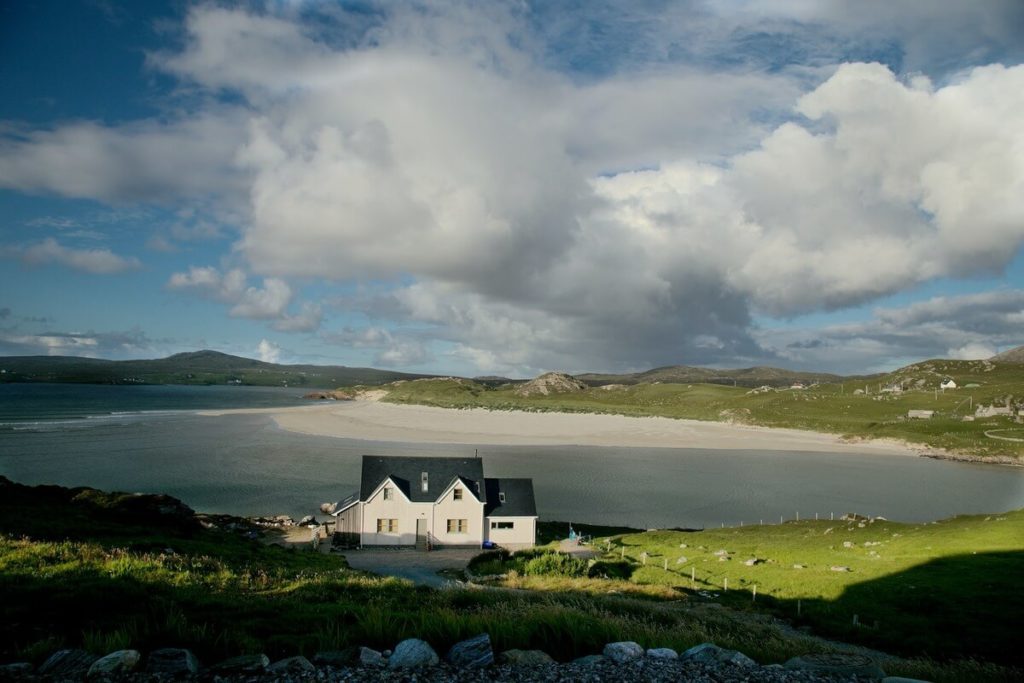
Scotland is often associated with mountains, lochs, and remote glens, but its coastline is just as spectacular. With thousands of kilometres of rugged shore, white-sand beaches and quiet bays, Scotland offers some of the best wild beach camping opportunities in the UK.
From the Outer Hebrides to the far north coast, wild camping on Scotland’s beaches allows campers to combine coastal scenery, wildlife watching and water activities with the freedom of low-impact camping. This guide covers the best beaches to wild camp in Scotland and what makes each location suitable for an overnight stay.
The Best Beaches to Wild Camp in Scotland
1) Camusdarach Beach, Morar
Camusdarach Beach, also known as the Silver Sands of Morar, is widely regarded as one of the most beautiful beaches in the UK. White sand, clear water and views across to the Small Isles make it a standout destination for wild campers.
The beach sits within a sheltered bay, keeping wave action relatively calm. Even during busier summer months, it is usually possible to find quieter spots set back from the main access areas.
2) Luskentyre Sands, Isle of Harris
Luskentyre Sands is famous for its expansive shoreline, turquoise water, and wide open views. Located on the Isle of Harris in the Outer Hebrides, it feels vast and untamed, even when visitors are present.
There is plenty of space to camp discreetly above the tideline and the shallow waters are suitable for kayaking and paddle sports in calm conditions.
3) Claigan Coral Beach, Isle of Skye
Claigan Coral Beach is one of Skye’s most unusual coastal landscapes. Instead of sand, the beach is made up of crushed maërl seaweed, giving it a pale, coral-like appearance.
The calm waters and rock pools attract marine life, including seals and smaller shellfish. It is best suited to quiet, low-impact camping away from the main access paths.
4) Calgary Beach, Isle of Mull
Calgary Beach sits beside a grassy meadow on the Isle of Mull and combines white sand with gentle surroundings. Despite its popularity, the area still offers opportunities for peaceful beach camping if pitched well away from busy sections.
The bay is relatively sheltered, and the surrounding area is suitable for walking, photography, and relaxed coastal exploration.
5) Thurso Beach, Caithness
Thurso Beach lies on Scotland’s northern coast and is best known for its surf conditions. Facing the Atlantic, it attracts experienced surfers and adventurous campers who are comfortable with exposure and wind.
The area is quieter than many west-coast beaches and offers a chance to see dramatic skies, marine wildlife and on rare occasions the northern lights.
6) Muasdale Beach, Kintyre Peninsula
Muasdale Beach sits on the west coast of the Kintyre Peninsula and remains largely overlooked by mainstream tourism. This makes it appealing to wild campers seeking solitude.
The beach offers views across to Gigha, Islay and Jura. Wildlife sightings often include seabirds, seals and birds of prey.
7) Sango Sands, Durness
Sango Sands is located in Durness and is a popular stop on the North Coast 500 route. Wild campers can pitch above the beach on higher ground, offering sweeping sea views.
Its remote location increases the chances of spotting dolphins, whales, and seals and it is also one of the better coastal locations in Scotland for viewing the aurora borealis.
8) Sandwood Bay, Sutherland
Sandwood Bay is one of Scotland’s most iconic wild camping beaches. Reached only by a long walk, it remains unspoilt and dramatic, with large dunes and wide open sands.
The lack of road access limits visitor numbers, preserving its wild character. Campers should be prepared for a long approach and fully self-sufficient conditions.
9) Achmelvich Bay, Highlands
Achmelvich Bay combines white sand with clear water and a wide range of outdoor activities. While it can be busy during summer, visiting outside peak season offers a quieter experience.
The bay also works well as a base for hiking in the surrounding hills, making it suitable for campers who want a mix of beach and inland exploration.
10) Port Ban Beach, Isle of Iona
Port Ban Beach is a quiet, white-sand beach on the Isle of Iona. It is framed by granite cliffs and calm waters, creating a peaceful setting for discreet beach camping.
The area is popular with locals during summer but remains tranquil outside peak times. Shell collecting, swimming, and paddling are common activities.
Is Beach Wild Camping in Scotland Worth It?
Beach wild camping in Scotland offers a unique experience that combines open horizons, wildlife, and the sound of the sea. Compared to mountain camping, coastal sites often feel more accessible while still offering isolation and dramatic scenery.
Success depends on careful site choice, awareness of tides and weather, and responsible camping behaviour. When done correctly, beach camping can be one of the most rewarding ways to experience Scotland’s landscape.
Plan Your Wild Beach Camping Trip in Scotland
With an extensive and varied coastline, Scotland offers some of the best wild beach camping in Europe. Whether you prefer remote northern bays or island shores, careful planning and responsible behaviour will help ensure a safe and memorable experience.
By choosing locations thoughtfully and following Leave No Trace principles, wild campers can continue to enjoy Scotland’s beaches while protecting them for future visitors.
FAQs About Wild Camping on Beaches in Scotland
Can you wild camp on beaches in Scotland?
Yes, wild camping on beaches is permitted under the Scottish Outdoor Access Code, provided it is done responsibly. Campers should stay in small numbers, limit their stay and leave no trace.
Where should you pitch a tent on the beach?
Avoid pitching directly on dunes or soft sand. Look for firm ground above the tideline and away from wildlife, buildings and access paths. Sheltered spots reduce wind exposure and improve comfort.
Are there restrictions on beach camping?
Local restrictions may apply in some areas, particularly during peak seasons. Always check signage, respect wildlife and avoid busy or environmentally sensitive locations.